PIKM Code of Ethics: Professional Standards for Security Companies in Malaysia
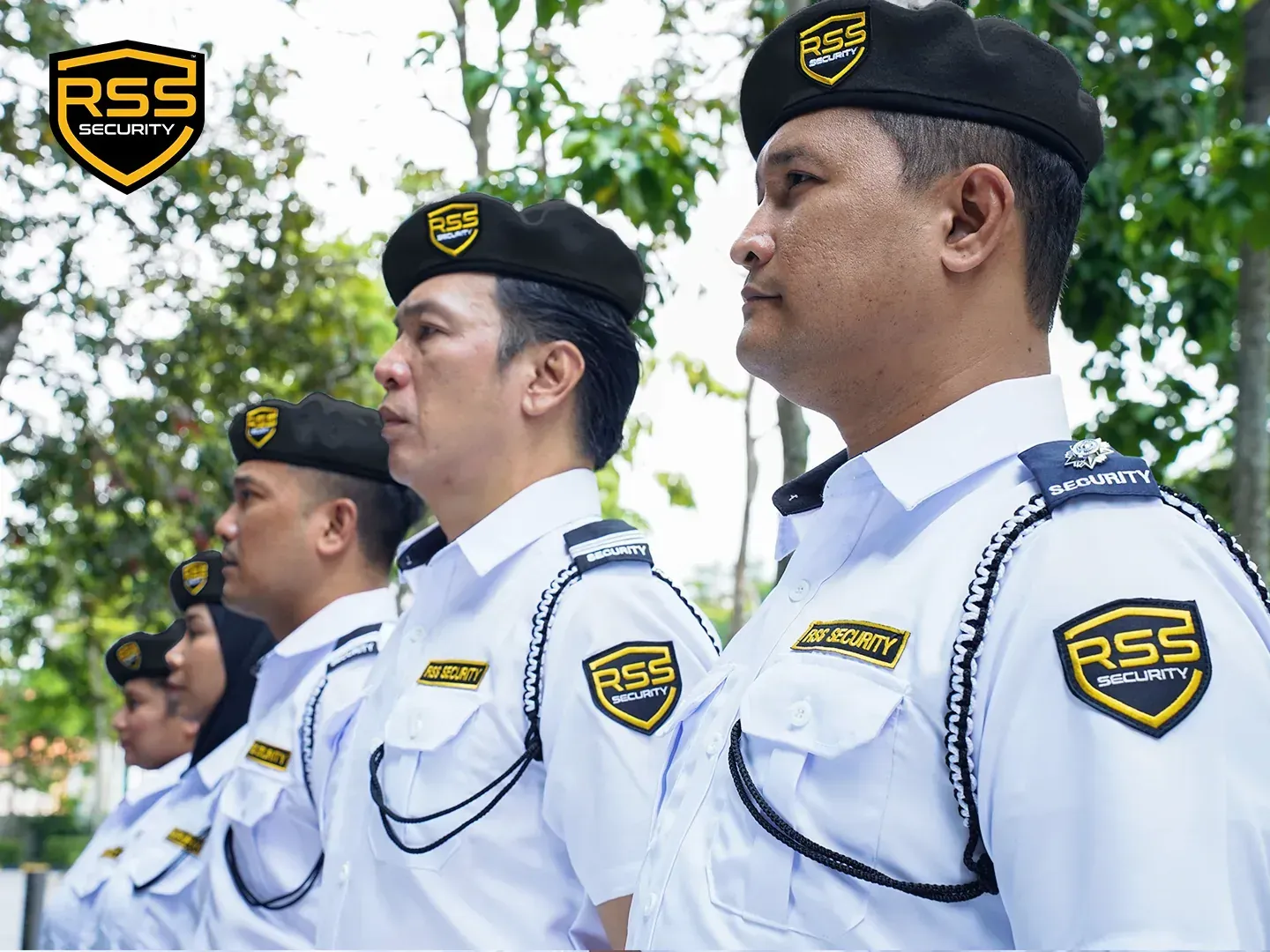
When choosing a security company, it is easy to focus on the number of guards, service coverage and price. But professional security involves more than manpower.
It also depends on how security personnel are recruited, trained and supervised, how services are documented, and whether a company is honest about what it can deliver.
The PIKM Code of Ethics provides professional guidance for security companies and their employees in Malaysia. It covers areas including trained personnel, supervision, recruitment, client assessment, documentation and ongoing training.
For businesses looking for a security provider, understanding these principles can help them ask better questions before making a decision.
What Does the PIKM Code of Ethics Cover?
PIKM's Code of Ethics states that security companies should maintain professional standards and treat security as an important part of a client's overall management.
Among its recommendations, security companies should:
- Assign adequately trained and capable personnel.
- Appoint qualified supervisors to monitor guard performance.
- Recruit suitable personnel in accordance with relevant requirements.
- Assess a client's security needs before accepting an assignment.
- Be honest about their resources and capabilities.
- Maintain relevant personnel records and documentation.
- Provide scheduled training before deployment and continue training periodically.
These principles provide a useful starting point for clients evaluating a security company.
Professional Standards Are More Than Legal Compliance
It is important to distinguish between legal requirements and professional ethics. A security company must comply with applicable laws, licensing requirements and government directives, which is the focus of security regulations and compliance in Malaysia. At the same time, professional standards encourage companies to operate responsibly and maintain appropriate service quality.
PIKM's professional-conduct guidance emphasizes principles such as integrity, competence, honesty and performing services in accordance with the law.
For buyers, this means asking two separate questions:
- Is the company legally compliant?
- Does the company demonstrate good professional practices?
Both matter when choosing a security provider.
Key Professional Standards Under the PIKM Code of Ethics

1. Trained Guards and Proper Supervision
A security guard's responsibilities can vary significantly depending on the site. A factory, office building, residential development or critical facility may each require different procedures and levels of awareness.
PIKM's Code of Ethics therefore emphasizes assigning trained and capable personnel, as well as having qualified supervisors to monitor their performance.
Clients should ask how guards are prepared before deployment and who is responsible for supervising them after they arrive on site. That preparation usually starts with certified security guard training. Good supervision also provides a clear point of contact when issues arise.
2. Recruitment and Screening
Professional security starts before a guard reaches the client's premises. PIKM's guidance calls for security companies to recruit personnel of suitable caliber and background in accordance with relevant requirements. In Malaysia, eSIMS supports personnel screening within the private security industry.
Clients can therefore ask a prospective provider:
- How are guards recruited?
- What screening is carried out?
- What documentation is maintained?
- How are guards selected for specific assignments?
The answers can reveal how seriously a company approaches personnel quality.
3. Be Honest About Capabilities
A professional security company should be clear about what it can and cannot provide.
PIKM's professional-conduct guidance emphasizes honest representation of services and states that members should not accept work beyond their competence or claim capabilities they do not possess.
This is particularly important when a provider offers services beyond conventional guarding. If a company offers surveillance monitoring, mobile patrols, risk assessment or other specialist services, clients should understand how those services are actually delivered.
4. Documentation and Ongoing Training
Security operations should be supported by appropriate records.
PIKM's Code of Ethics calls for relevant personnel documentation and periodic training as part of ongoing development.
- For clients, this can translate into practical questions:
- Are guard records maintained properly?
- Are site instructions documented?
- Is training updated when requirements change?
- Are incidents recorded and reported?
Good documentation helps create accountability between the security provider and the client.
What Should You Check Before Hiring a Security Company?
The PIKM Code of Ethics can be turned into a simple checklist for buyers, and it works alongside a wider checklist for choosing the right security company in Malaysia.
Before appointing a security company, consider checking:
- Licensing and compliance. Confirms the provider meets applicable requirements
- Guard recruitment and screening. Helps establish personnel suitability
- Training. Shows whether guards are prepared for their duties
- Supervision. Provides ongoing management and accountability
- Documentation. Creates a record of personnel, duties and incidents
- Service capabilities. Helps ensure the provider can deliver what it promises
This shifts the conversation from simply asking "How much does security cost?" to "What am I receiving for that cost?"
The same code also underpins the assessment a provider should carry out before deploying guards, a process that covers what security companies assess before deploying guards.
The PIKM Code of Ethics provides a useful framework for understanding what professional security should look like.
Trained personnel. Proper supervision. Responsible recruitment. Honest communication. Good documentation. Ongoing training.
For businesses comparing security companies in Malaysia, these are practical areas to investigate before signing a contract. The goal is not simply to find the company offering the lowest quotation. It is to find a provider that can demonstrate the
people, processes and capabilities needed to deliver professional security.
To learn more about RSS Security's services, visit RSS Security's services or contact RSS Security.
All Posts