Strengthening Security Guard Readiness for High-Tech Facilities in Malaysia
A high-tech facility needs more from its security team than a guard at the gate.
As Malaysia's industrial and technology sectors become increasingly sophisticated, security officers and supervisors are expected to do more than control access. They may need to respond to incidents, work with security technology, protect sensitive areas and coordinate closely with facility management.
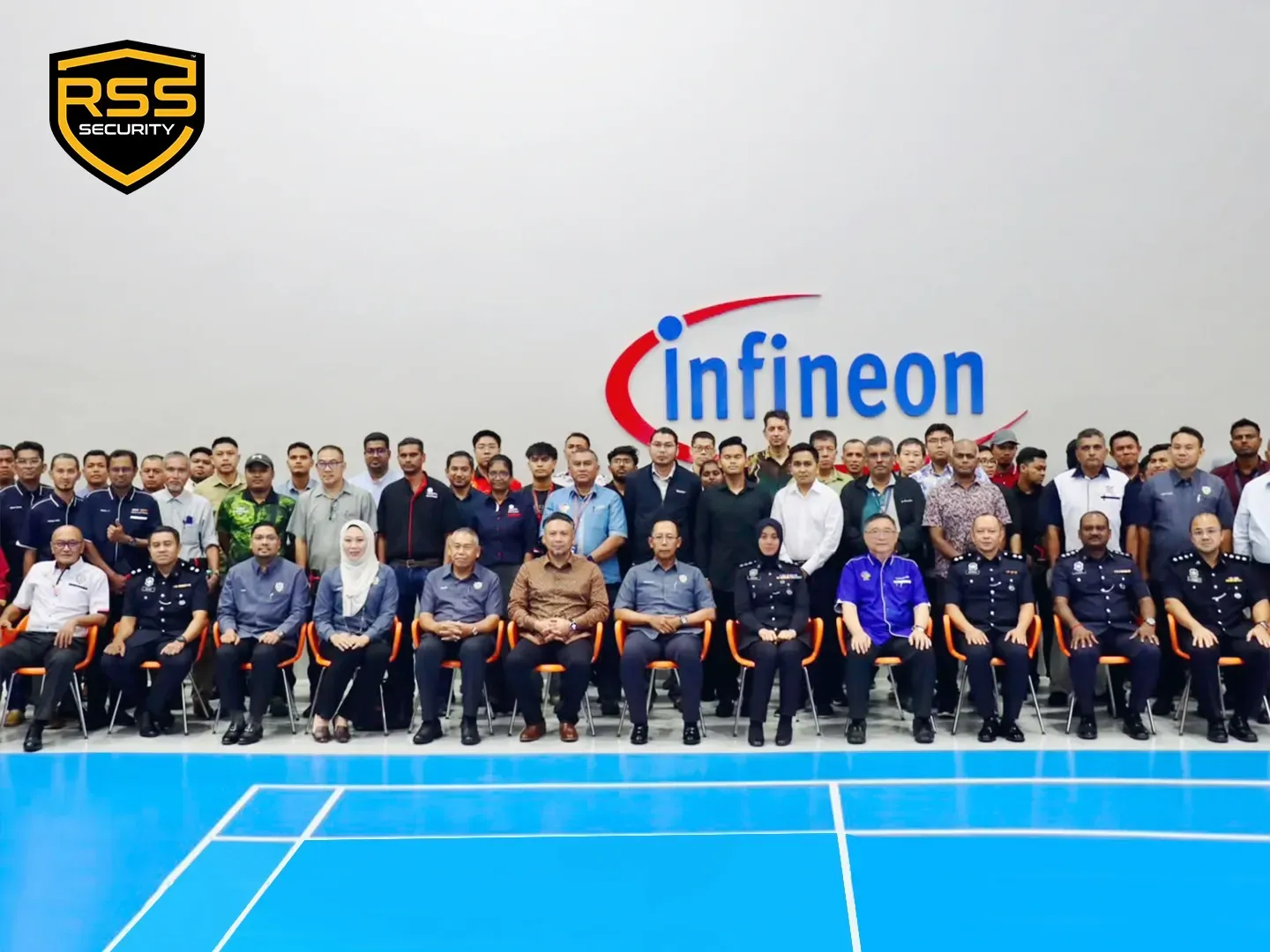
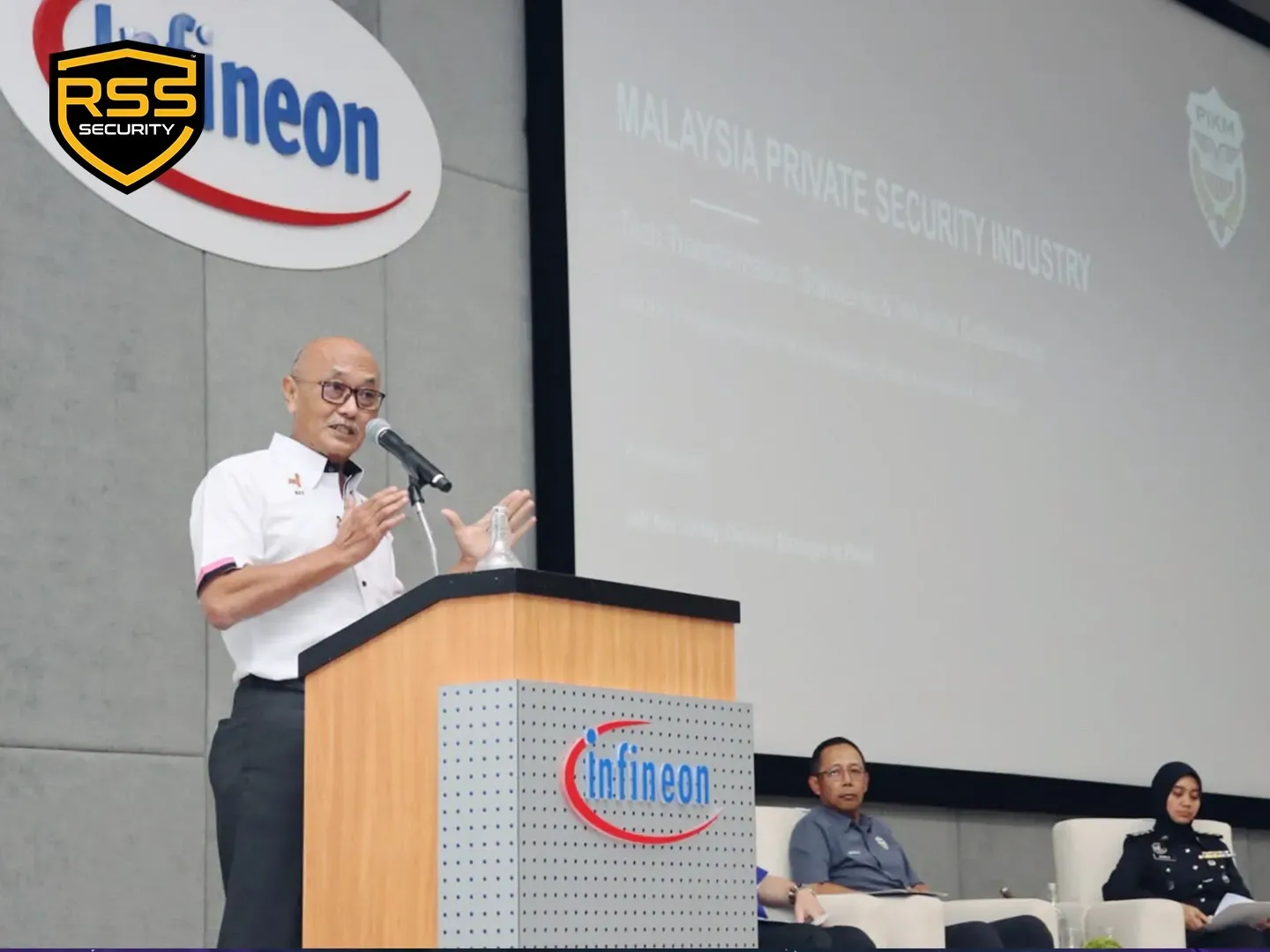
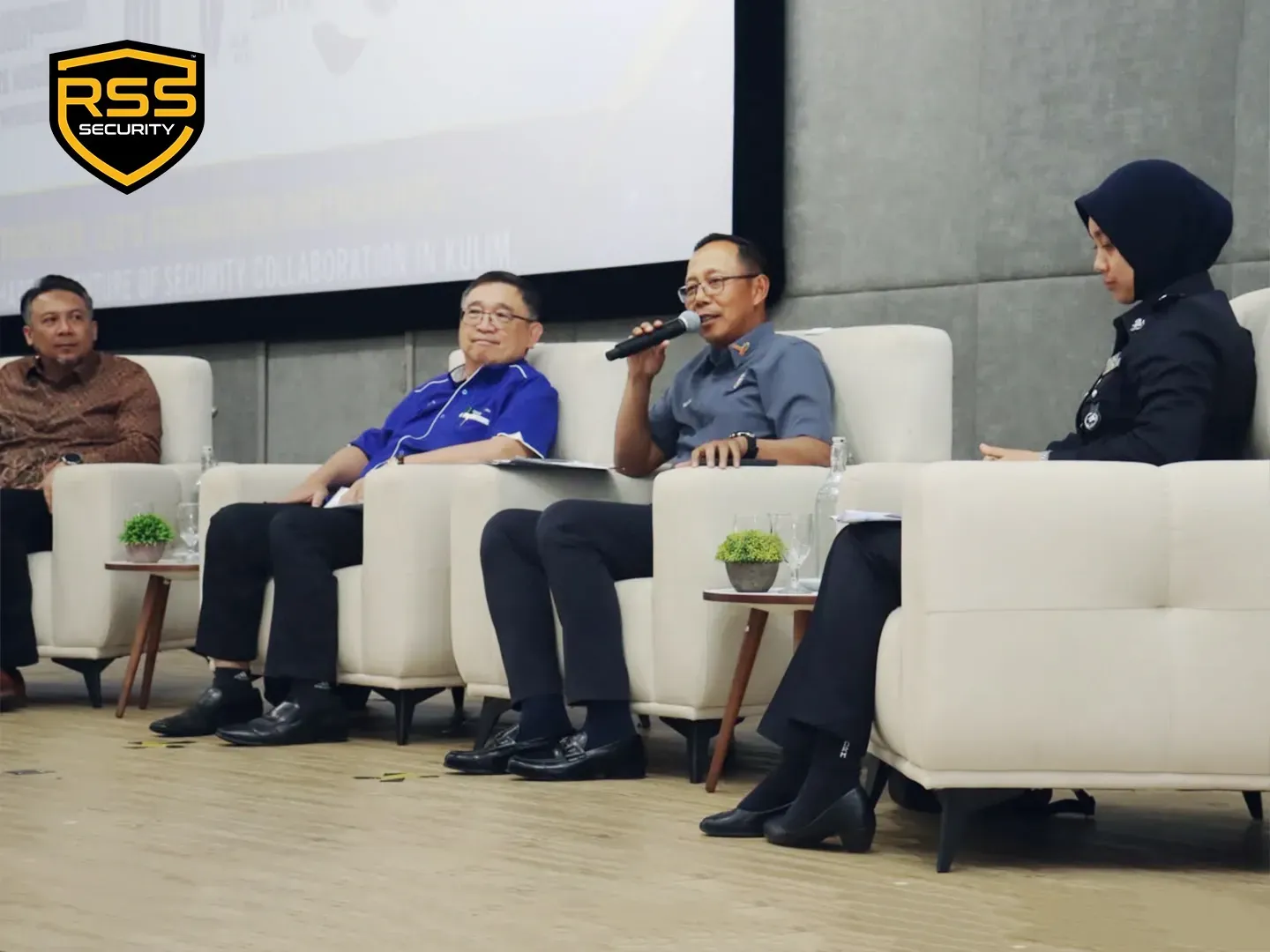
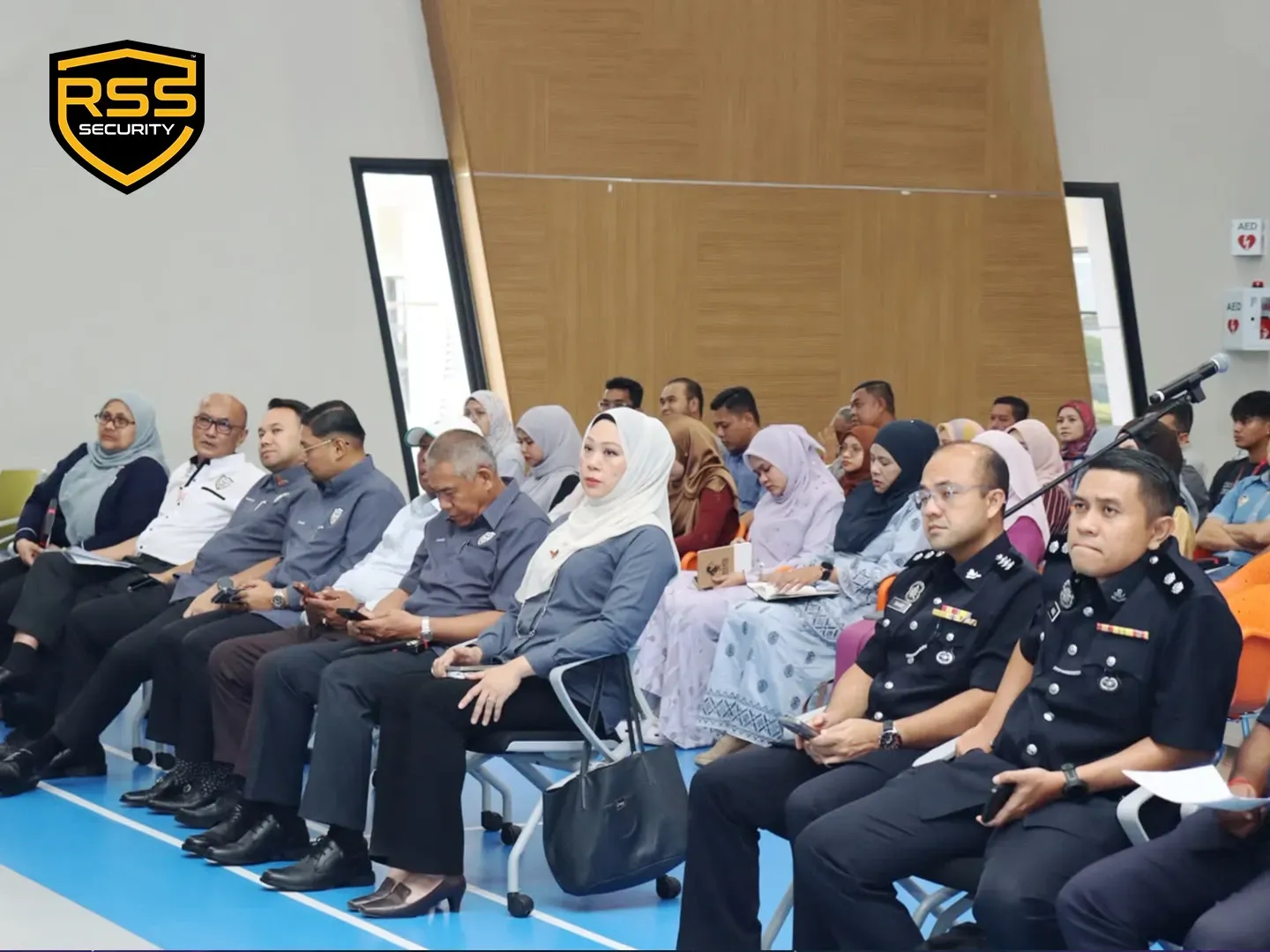
These changing expectations were highlighted at the KITA-KCSC Security Forum 2026, held on 26 August 2026 at the Infineon Multipurpose Hall in Kulim Hi-Tech Park (KHTP), Kulim.
Organised by the Kulim Hi-Tech Park Industrial Companies Association (KITA) and the Kulim Community Security Council (KCSC), the forum brought together industry players, the Malaysian Security Industry Association (PIKM), the Royal Malaysia Police (PDRM), and security management representatives from factories in KHTP.
The forum was a platform to share information and best practices and to strengthen cooperation between security providers, PDRM and the Kulim Hi-Tech Park community on the security needs of the high-tech sector. It also highlighted strategic collaboration opportunities between security operators and KITA in compliance, service quality and security technology.
A key takeaway for industry players was that security officers and supervisors need stronger competencies, more closely aligned with the requirements of high-tech industries. The Malaysian Security Industry Association (PIKM) was invited to share how the supply and training of security guards for high-tech factories can be improved, in response to the gaps identified in the sector.
It also raises an important question for facility operators:
Are today's security guards ready for the facilities they are protecting?
From Manpower to Modern Security Management
Security has traditionally been viewed as a manpower requirement: how many guards are needed, where they should be stationed and how shifts should be arranged.
Those fundamentals remain important, but high-tech facilities increasingly require a broader approach.
One of the key themes discussed at the KITA-KCSC Security Forum 2026 was the industry's transition from a manpower-based model towards technology, risk management and professional security services.
This shift reflects the nature of today's industrial environment. A high-tech facility may contain valuable equipment, automated systems, restricted production areas, sensitive processes and intellectual property. A security incident could therefore affect more than physical assets; it could potentially disrupt operations as well.
Security personnel need to understand this environment and become part of a wider security operation.
What Makes a Security Guard Ready for a High-Tech Facility?
Having trained security personnel is important, but training alone does not guarantee that a guard is ready for every site.
Every facility has its own risks, procedures and expectations.
A security officer working at a high-tech facility may need to understand employee and visitor access, contractor verification, vehicle and delivery procedures, restricted areas, perimeter patrols, emergency response and incident reporting.
They may also need to work alongside CCTV, access-control systems and other technologies used by the facility.
This is why site-specific preparation matters.
Before deployment, guards should be familiarized with the facility's layout, access points, security zones, patrol routes, emergency procedures and reporting structure. Supervisors should understand the same requirements and know how to coordinate with the client's management team.
The message is clear: the security officer of today needs broader competencies to match the environment being protected.
The Role of Training and Supervision
Site-specific training is particularly important when security personnel are deployed to specialized industrial environments, because certified security guard training covers the core duties that every guard needs before site-specific preparation begins.
A semiconductor facility, manufacturing plant or technology operation may have very different security requirements from a conventional commercial property. Guards therefore need to understand not just what procedures to follow, but why those procedures matter.
This includes:
- Access-control protocols
- Emergency procedures
- Incident escalation
- Communication channels
- Handling of sensitive areas
Supervisors also play a critical role. They help maintain consistency across shifts, monitor guard performance, manage handovers and communicate with facility management. In a 24-hour industrial environment, strong supervision helps ensure that important information is not lost between teams.
The forum also highlighted the need to strengthen competencies at the management level. A Leadership Program for Middle Management, aimed at supervisors and executives within security companies, is planned as a future collaborative initiative.
This reflects a wider industry direction: professional security requires development at every level, from frontline officers to management.
Common Security Readiness Gaps
Closing that competency gap starts with knowing where it sits. For high-tech facilities reviewing their existing security arrangements, some common gaps may be worth examining.
- Generic training: Guards may understand basic security duties but lack familiarity with the specific site.
- Technology awareness: Personnel may need additional knowledge of how CCTV, access-control systems and other technologies support their responsibilities.
- Communication: Unclear reporting lines can slow down the escalation of incidents.
- Risk awareness: Guards need to understand the particular vulnerabilities of the facility, including sensitive production areas, intellectual property and operational continuity.
- Shift handovers: Inconsistent communication between teams can result in important information being missed.
These issues do not necessarily mean a facility needs more guards. Sometimes, the greater need is
better preparation, stronger supervision, clearer procedures and closer coordination.
How Can Security Guard Supply and Training Improve?
Addressing these gaps is as much about how guards are supplied and trained as it is about how many are deployed. Practical steps include:
- Screening before deployment: Personnel are screened and identified before they are placed at a site, so the facility knows who is protecting it.
- Matching guards to the site: Guards are assigned according to the requirements of the facility, instead of simply filling a roster.
- Site-specific training: Site familiarization, access-control protocols, emergency procedures, incident reporting and awareness of the technology in use.
- Supervisor development: Supervisors are prepared to manage handovers, monitor performance and communicate with facility management, in line with the planned Leadership Program for Middle Management.
- Ongoing review: Training and deployment are reviewed as the facility's requirements change.
How Should a High-Tech Facility Evaluate a Security Company?
Choosing a security provider should go beyond comparing the number of guards and the quoted price.
Facility operators should consider whether the provider can understand their site and develop a deployment around its actual requirements.
Start by asking whether the company can conduct a site-specific risk assessment. A provider should be willing to examine access points, perimeter areas, existing security systems, procedures and other potential vulnerabilities before recommending a solution. RSS Security provides security risk assessment and consultation as part of its wider security services, and a good provider should be able to explain what it assesses before deploying guards.
It is also worth asking how guards are prepared before deployment. Does the provider conduct site familiarization? Are guards briefed on the facility's procedures? How are supervisors involved? How does the security team communicate with facility management?
Finally, consider whether the provider can integrate manpower with technology.
A modern security operation may combine physical guarding with surveillance monitoring and mobile patrols. RSS Security's security services include security guards, surveillance monitoring, mobile patrolling, security escorts, bodyguards, risk assessment and consultation, and short-term security through RSS GoGuard™. In a hybrid security operation, guards, CCTV and access control work as one workflow.
An integrated approach can provide greater flexibility when security requirements change.
Building Security as a Strategic Partnership
The discussions at the KITA-KCSC Security Forum 2026 reflect a broader shift in how security is viewed within high-tech industries.
The goal is moving beyond simply supplying manpower towards prevention, partnership and professionalism.
For industrial operators, this means working with security providers that understand their business environment and can align people, procedures and technology around the risks involved.
The Malaysian Security Industry Association's contribution to the forum reflects its engagement with the industry and a commitment to improving the supply and training of guards for high-tech security needs. It is not a statement about security services at any particular factory or facility. Each client engagement starts with the facility's own requirements, discussed directly with the facility's management.
What the forum does underline is the importance of preparing security personnel for the changing needs of high-tech industries.
To discuss site-specific security requirements, explore RSS Security's services or contact RSS Security.
All Posts